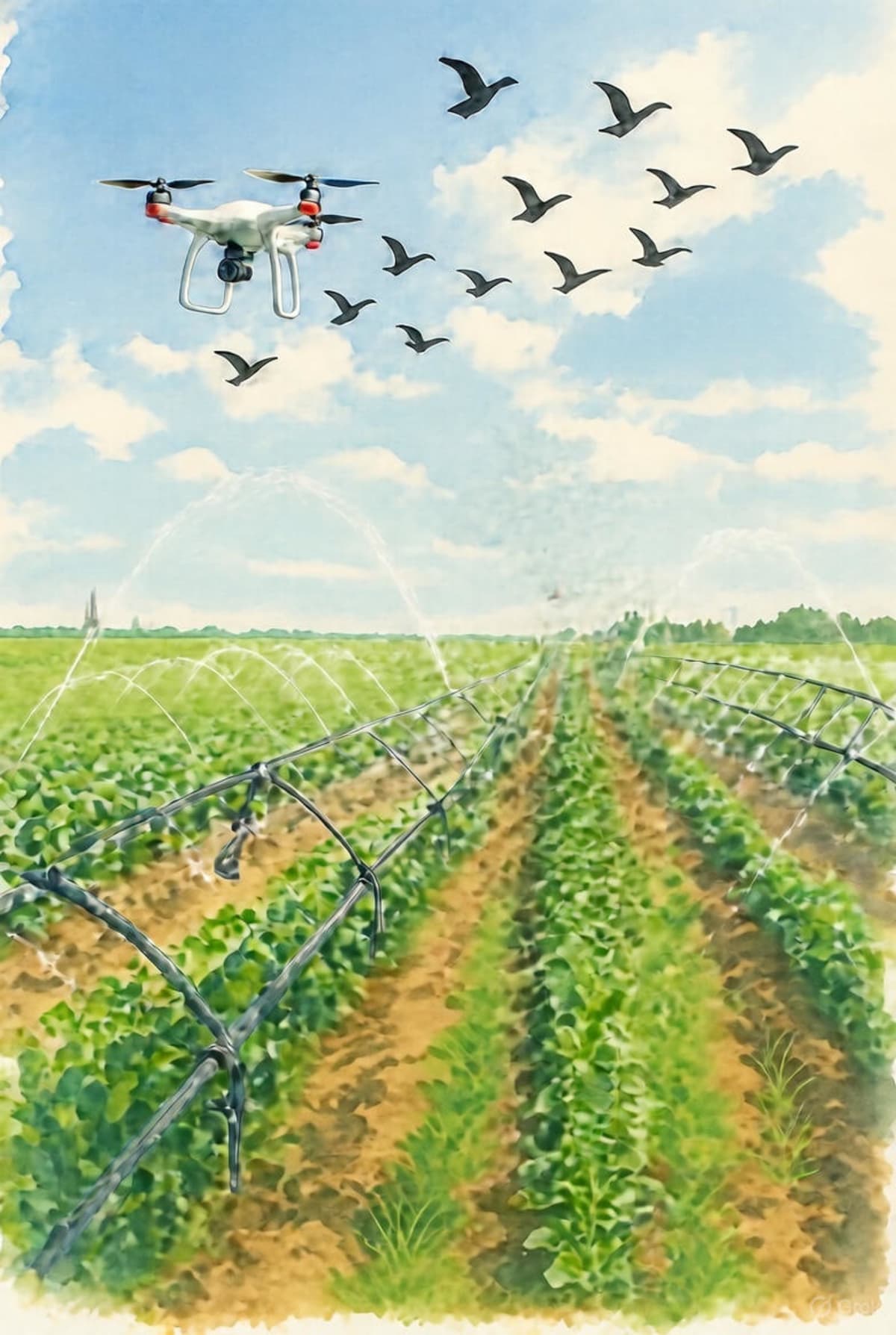
Introduction: Farming Meets the Digital Age
Agriculture has always been the backbone of human survival. For centuries, farming relied heavily on experience, intuition, and seasonal patterns passed down through generations. Today, however, technology is adding a new layer to farming one driven by data, connectivity, and smarter tools.From small-scale farmers using smartphones to large commercial farms deploying drones, agricultural technology (AgriTech) is helping farmers grow more food with fewer resources while adapting to climate change and market demands.
Mobile Technology Empowering Farmers
One of the most impactful technologies in agriculture is the mobile phone. Farmers now use simple mobile apps to access weather forecasts, market prices, and farming advice in real time.
In countries like Kenya and India, platforms such as digital extension services allow farmers to receive SMS alerts on pest outbreaks, rainfall predictions, and best planting times. This reduces guesswork and helps farmers make informed decisions that directly affect yields.Even basic mobile money systems enable farmers to pay suppliers, receive payments, and access micro-loans without traveling long distances.
Smart Irrigation and Water Management
Water scarcity is a growing challenge in agriculture. Smart irrigation systems use sensors to measure soil moisture and automatically supply water only when needed.
For example, drip irrigation combined with moisture sensors helps farmers reduce water waste while maintaining healthy crops. This approach is especially valuable in dry regions where every drop of water counts.By using data instead of fixed schedules, farmers can lower costs and improve crop consistency.
Precision Agriculture: Doing More with Less
Precision agriculture focuses on using technology to apply the right input such as fertilizer or pesticides at the right place and time.
GPS-enabled equipment and field-mapping tools allow farmers to identify which areas of a farm need attention and which do not. This reduces chemical overuse, lowers expenses, and minimizes environmental impact.Large farms have adopted these tools faster, but simplified versions are increasingly becoming available to smallholder farmers as well.
Drones and Remote Monitoring
Drones are no longer limited to photography or security. In agriculture, they are used to monitor crop health, detect pests early, and assess plant growth.
By capturing aerial images, farmers can identify problem areas before they become serious. This early intervention can prevent crop losses and reduce the need for blanket pesticide spraying.In some regions, drones are also being tested for seed planting and fertilizer spraying, saving time and labor.
Data, Weather Forecasting, and Climate Adaptation
Climate change has made farming more unpredictable. Advanced weather forecasting tools now help farmers prepare for extreme conditions such as droughts or heavy rainfall.
Historical climate data combined with predictive models allows farmers to adjust planting schedules and crop selection. This is especially useful for regions heavily affected by changing weather patterns.Access to reliable data helps farmers shift from reactive farming to proactive planning.
Technology Supporting Sustainable Farming
Sustainability is becoming a key focus in agriculture. Technology supports eco-friendly practices by reducing waste, conserving resources, and improving soil health.
Soil testing kits, digital crop rotation tools, and organic input tracking systems help farmers maintain long-term productivity without degrading the land.These innovations not only benefit the environment but also increase consumer trust in sustainably produced food.
Challenges Facing Agricultural Technology Adoption
Despite its benefits, technology adoption in agriculture still faces challenges. Limited internet access, high initial costs, and lack of technical training can slow progress especially for small-scale farmers.Bridging this gap requires collaboration between governments, private companies, and educational institutions to provide affordable tools and training.
Conclusion: A Balanced Future for Farming
Technology is not replacing farmers—it is empowering them. By combining traditional knowledge with modern tools, agriculture is becoming more efficient, resilient, and sustainable.As innovation continues, the future of farming will depend on making technology accessible to all farmers, regardless of scale. When used wisely, tech in agriculture has the potential to feed growing populations while protecting the planet.