How AR Can Transform Various Industries and Personal Experiences
Imagine walking down a busy street, your phone in hand, and suddenly the world around you comes alive with digital overlays. Directions pop up right on the sidewalk, historical facts appear on old buildings, or you can even try on a new pair of sunglasses without stepping into a store. That's the magic of augmented reality (AR), a technology that's blending the digital and physical worlds in ways we once only dreamed about. AR isn't just for sci-fi movies anymore; it's sneaking into our daily routines and reshaping how we work, play, and connect. In this lifestyle piece, we'll dive into how AR is shaking up industries and enhancing personal moments, with some real-world examples to show it's not all hype.
AR's Game-Changing Role in Industries
AR is proving to be a powerhouse across various sectors, boosting efficiency, cutting costs, and sparking innovation. Let's look at a few key areas where it's making waves.
In manufacturing, AR helps workers tackle complex tasks with real-time guidance. For instance, companies like PTC use their Vuforia platform to overlay digital instructions on assembly lines, reducing errors in aerospace and automotive production. This means faster training for new employees and quicker fixes for machinery issues. Microsoft’s Dynamics 365 Guides, paired with HoloLens, provides holographic step-by-step tutorials, improving accuracy in factories and field services. Real-life impact? DHL's warehouses saw a 15% productivity boost by using AR glasses for picking orders, making logistics smoother and less error-prone.
Healthcare is another field where AR shines. Surgeons can use it for precise operations by overlaying 3D models of organs during procedures, leading to better outcomes. On the training side, medical students practice with virtual simulations, and patients get interactive explanations of their conditions. For example, AR apps help in remote assistance, where experts guide on-site staff through complex fixes via live annotations. It's not just high-tech hospitals; even everyday therapy sessions use AR for pain management or rehab exercises.
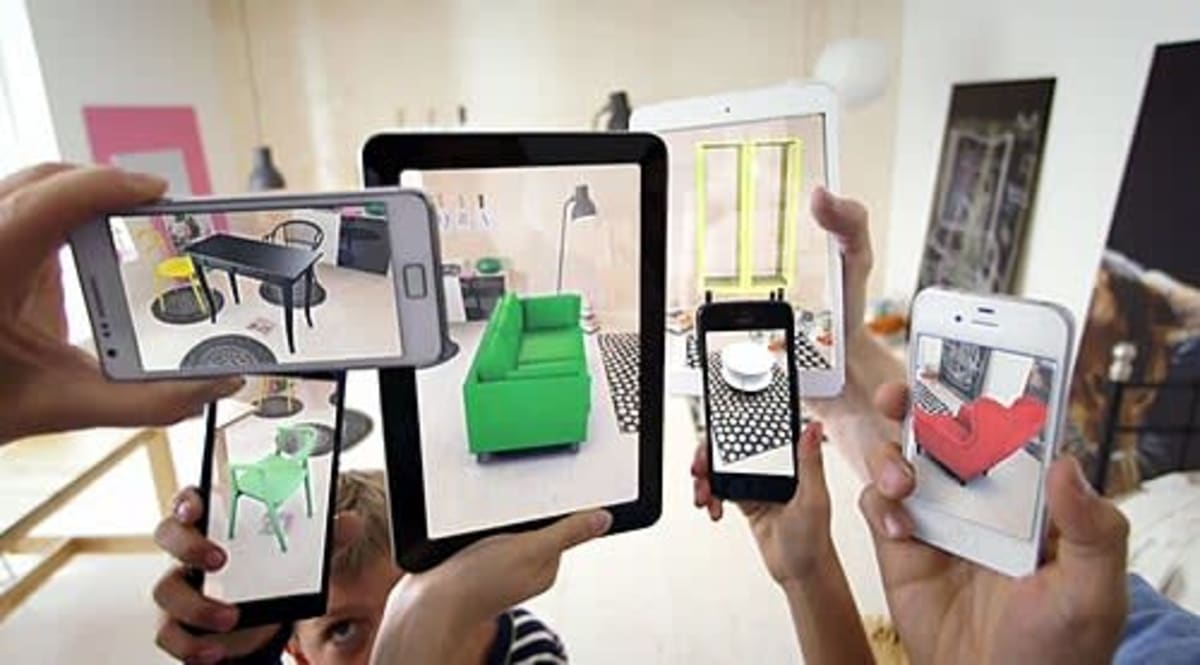
Retail has embraced AR to bridge the gap between online and in-store shopping. Think about IKEA's app, where you scan your room and place virtual furniture to see how it fits before buying. Adidas pioneered virtual try-ons for shoes, letting customers see products on their feet through their phone cameras. This cuts down on returns and makes shopping more fun, especially post-pandemic when people crave contactless experiences.
Education gets a boost too. AR turns textbooks into interactive adventures kids point their devices at a page, and dinosaurs roam or historical figures speak. Apps like those from Google bring abstract concepts to life, helping students grasp tough subjects like anatomy or astronomy.
In entertainment, AR amps up experiences beyond the screen. Netflix used it for "Stranger Things" promotions, where fans interacted with virtual elements in real spaces. And in automotive, companies like Porsche use AR for design and maintenance, overlaying specs on vehicles during production.
AR Enhancing Personal Experiences
Beyond work, AR is weaving into our personal lives, making everyday moments more engaging and convenient.
Gaming was one of the first big hits with Pokemon Go, where players hunt virtual creatures in the real world. It got millions moving and socializing, blending exercise with fun. Today, AR filters on social media like Instagram let us add silly effects to photos and videos, turning selfies into creative expressions.
For navigation and travel, AR is a lifesaver. Google Maps' Live View overlays directions on your camera feed, so you never take a wrong turn in a new city. Language barriers? Apps like Google Translate scan foreign text and overlay translations in real time, making trips abroad easier.
Home life benefits too. Besides IKEA's furniture placement, AR helps with DIY projects by overlaying measurements or instructions on your space. In fitness, apps project virtual trainers or routes, motivating workouts at home.
Even in social connections, AR creates shared experiences. Apple's Vision Pro scans faces for realistic avatars in calls, making remote chats feel closer.
The Future Looks Augmented
As AR tech evolves, with market predictions hitting over $300 billion by 2030, it's clear this isn't a fad. From smarter cities to personalized learning, the possibilities are endless. But it's the little ways it enhances our days trying on clothes virtually or exploring history on a walk that make AR feel like a natural part of life. Whether you're a tech enthusiast or just curious, dipping into AR apps today could change how you see the world tomorrow.
QHave you tried AR in your routine? It might just surprise you how seamless and useful it can be.
Learn how Python has helped in AI advancement Python Basic You Should Learn