Introduction: Work Is No Longer a Place
For decades, work was tied to a physical location an office, factory, or shop. Today, that idea has changed dramatically. With the rise of remote work, technology has untethered productivity from geography. Employees can now collaborate across continents, companies can hire globally, and individuals can design work around life instead of the other way around.
Remote work is not just a trend:-it is a structural shift in how modern economies operate.
The Technology That Made Remote Work Possible
Remote work would not exist at scale without a strong technological foundation. Several key innovations made this transformation possible:
1. Cloud Computing
Cloud platforms such as Google Workspace and Microsoft 365 allow teams to access files, documents, and systems from anywhere in the world. Employees no longer depend on office servers to get work done.
You can explore how cloud infrastructure supports modern workflows in our article on Technology and Digital Transformation.
2. Communication & Collaboration Tools
Tools like Slack, Zoom, and Microsoft Teams replicate and in some cases improve office communication. Video meetings, instant messaging, and shared channels have replaced physical conference rooms.
Companies like Slack and Zoom became essential during and after the COVID-19 pandemic.
3. High-Speed Internet & Mobile Connectivity
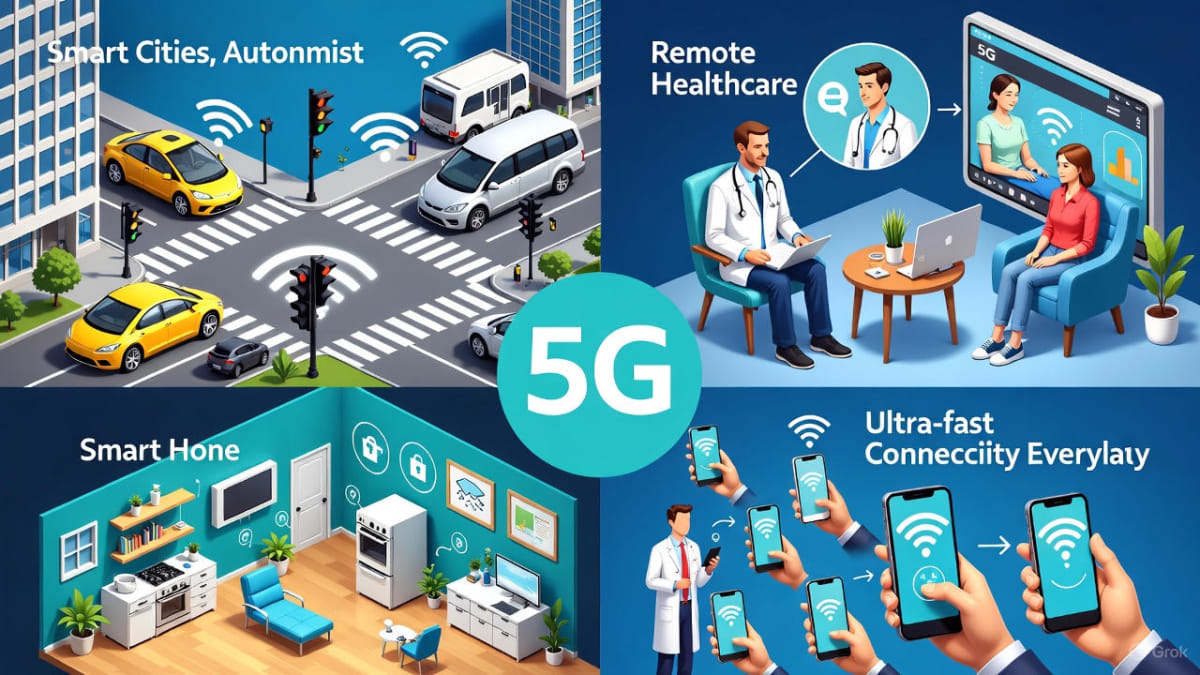
Reliable broadband and mobile networks allow professionals to work from homes, co-working spaces, or even rural areas. The rollout of faster networks has played a crucial role in making remote work practical.
Real-Life Examples of Remote Work in Action
GitLab: A Fully Remote Company
GitLab operates with thousands of employees across more than 60 countries without a central office. The company relies on documentation, asynchronous communication, and transparency to remain productive.
Their model demonstrates that remote-first organizations can scale successfully.
Remote Work in Africa
In Africa, remote work has opened doors for developers, designers, and digital marketers to work with global companies. Platforms like Upwork and Toptal connect skilled professionals with international clients, boosting income opportunities without migration.
This aligns closely with discussions in our Life & Work category.
Benefits of Remote Work
Remote work offers advantages for both employees and employers:
- Flexible schedules and improved work-life balance
- Reduced commuting costs and time
- Access to global talent for companies
- Lower overhead costs for office space
Studies from McKinsey show that productivity can remain stable or even improve when remote work is well managed.
Challenges and Risks of Remote Work
Despite its benefits, remote work also presents challenges:
- Cybersecurity risks from unsecured home networks
- Employee isolation and burnout
- Difficulty maintaining team culture
- Time zone coordination issues
Organizations increasingly invest in cybersecurity awareness, a topic further explored in our article on Cybersecurity & Digital Safety.
The Future of Work: Hybrid Is the New Normal
Rather than fully remote or fully office-based models, many organizations are adopting hybrid work. Employees split time between home and office, balancing flexibility with collaboration.
Technology will continue to shape this future through AI-powered scheduling, virtual offices, and smarter collaboration platforms.
Conclusion
The rise of remote work represents one of the most significant workplace transformations in modern history. Technology has not only enabled this shift but continues to refine it. As tools improve and organizations adapt, remote work will remain a defining feature of the digital age.
Work is no longer about where you are it’s about what you can do.