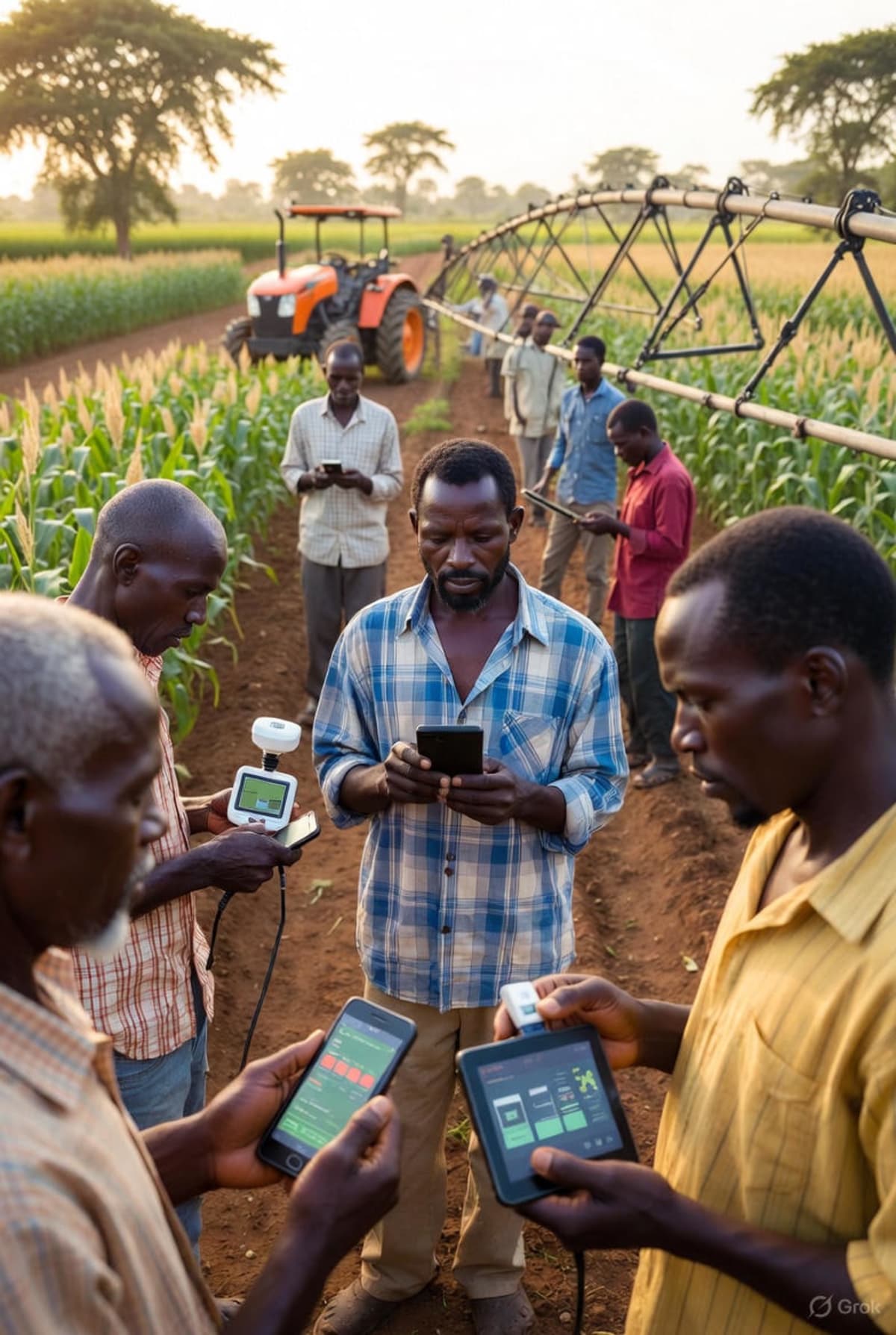
Introduction: Africa’s Farming Challenge Meets Innovation
Agriculture remains the backbone of many African economies, employing over 60% of the population in some regions. Yet farmers continue to face challenges such as unpredictable weather, soil degradation, pests, and limited access to markets. Smart farming is emerging as a practical solution, combining traditional farming knowledge with modern technology to help farmers make better decisions. Unlike large-scale industrial farming in developed countries, smart farming in Africa focuses on affordability, accessibility, and mobile-first solutions tools that work even in remote rural areas.
What Is Smart Farming?
Smart farming, also known as precision agriculture, uses technology to monitor, analyze, and optimize farming activities. This includes tools such as mobile apps, sensors, GPS mapping, drones, and data analytics. The goal is simple: produce more food using fewer resources while protecting the environment. If you are new to agricultural innovation, you may also enjoy reading our related article: How Innovation Is Transforming Modern Farming.
Real Examples of Smart Farming in Africa
Mobile Advisory Services for Smallholder Farmers
In Kenya, platforms like DigiFarm provide farmers with access to weather updates, farming tips, soil health advice, and digital credit all through their mobile phones. Farmers receive SMS alerts tailored to their crops and location, helping them make informed decisions without needing internet access.
Similarly, iCow supports livestock farmers by sending reminders about feeding schedules, vaccinations, and breeding cycles. These simple tools have significantly improved productivity for small-scale farmers.
Smart Irrigation and Water Management
Water scarcity is a major concern in many African regions. Smart irrigation systems are helping farmers use water more efficiently. In parts of Morocco and South Africa, soil moisture sensors combined with automated irrigation systems ensure crops receive the right amount of water at the right time. These technologies reduce water waste and help farmers cope with prolonged droughts caused by climate change.
Drones and Satellite Monitoring
In countries like Rwanda and Ghana, drones are being used to monitor crop health, detect pest infestations, and assess land conditions. Satellite imagery allows agricultural organizations to analyze large farming areas and provide farmers with early warnings before problems escalate. This technology is especially useful for cooperative farms and large agricultural projects that support thousands of smallholder farmers.
Digital Marketplaces and Supply Chains
One of the biggest challenges African farmers face is accessing fair markets. Digital platforms such as Twiga Foods in Kenya connect farmers directly to retailers, reducing middlemen and ensuring better prices. These platforms also help reduce post-harvest losses by improving logistics, storage, and demand forecasting.
How Smart Farming Improves Food Security
Smart farming technologies contribute to food security by increasing yields, reducing crop losses, and improving resilience to climate change. Early warning systems for pests and weather conditions allow farmers to take preventive action rather than reacting to disasters. Data-driven farming also enables governments and NGOs to plan better agricultural policies and support systems based on real-time insights.
Challenges Slowing Adoption
Despite its promise, smart farming in Africa still faces obstacles. Limited internet connectivity, high initial costs, and low digital literacy can slow adoption. However, many solutions are designed to work offline or via basic mobile phones, making them more accessible to rural communities. Public-private partnerships and government support are playing a key role in expanding access to these technologies.
The Future of Smart Farming in Africa
As mobile penetration increases and technology becomes more affordable, smart farming is expected to grow rapidly across the continent. Innovations such as solar-powered sensors, AI-driven crop diagnostics, and blockchain-based supply chains are already being tested. For young people interested in agriculture, smart farming offers new career opportunities that blend technology, data, and sustainability.
Conclusion: Technology as a Farming Partner
Smart farming is not replacing farmers it is empowering them. By combining local knowledge with modern technology, African farmers are building a more productive, resilient, and sustainable agricultural future. As innovation continues, smart farming will play a critical role in feeding Africa’s growing population while protecting the environment for future generations.
Quiz
Quiz: Which agricultural technology do you think has the biggest impact on small-scale farmers today mobile apps, smart irrigation, or drones?
Write your answer in the comments.