
Tech in Education: Revolutionizing Learning in the Modern World
Imagine stepping into a classroom where chalkboards have given way to interactive screens, and students from different continents collaborate on a project in real time. That's the reality of technology in education today. No longer just a tool for the future, tech has become the backbone of how we teach and learn. In this article, we'll dive deep into the role and impact of technology in modern education systems, exploring how it's reshaping classrooms, empowering educators, and preparing students for a digital age. Whether you're a teacher, parent, or student, understanding these changes can help you navigate this exciting evolution.
The Evolution of Technology in Education
Education has always adapted to the times, but the digital revolution has accelerated this like never before. From the early days of radio broadcasts in the 1920s to today's AI-driven platforms, technology has shifted from a novelty to an essential element. The COVID-19 pandemic acted as a catalyst, forcing schools worldwide to embrace online learning overnight, highlighting both the potential and pitfalls of tech integration.
Today, digital tools are not just add-ons; they're transforming the entire ecosystem. Think about how online platforms have made education more accessible, breaking down geographical barriers and allowing learners in remote areas to access top-tier resources. This shift isn't just about convenience; it's about equity, ensuring that quality education reaches everyone, regardless of location or background.
For more on how pandemics have influenced edtech, check out our piece on post-pandemic learning trends.

Key Roles of Technology in Modern Classrooms
Technology plays multiple roles in education, acting as a facilitator, enhancer, and innovator. Let's break it down.
Enhancing Accessibility and Inclusivity
One of the most profound roles of tech is making education inclusive. Digital platforms provide tools for students with disabilities, like screen readers and adaptive software, ensuring no one is left behind. Online courses from platforms like Coursera or Khan Academy allow lifelong learners to upskill at their own pace, democratizing knowledge.
In developing regions, where traditional infrastructure might be lacking, mobile apps and low-cost devices bridge the gap, bringing lessons to underserved communities. It's like turning a smartphone into a portable university.
Personalizing Learning Experiences
Gone are the days of one-size-fits-all teaching. AI and data analytics now tailor education to individual needs. Adaptive learning systems adjust difficulty levels based on student performance, providing instant feedback and helping educators identify gaps early.
This personalization boosts engagement and outcomes. Students who might struggle in traditional settings thrive when lessons match their learning style, whether visual, auditory, or kinesthetic.
Explore our related article on personalized education. Your Cybersecurity Career Map: Finding the Right Path in a Digital World
Fostering Collaboration and Communication
Technology turns isolated learning into a collaborative adventure. Tools like Google Workspace or Microsoft Teams enable real-time group work, video calls, and shared documents, connecting students across borders.
Teachers benefit too, with platforms for professional development and peer sharing. This role extends beyond the classroom, preparing students for global workplaces where virtual teamwork is the norm.
How the Right Tools Support Learning in the Modern Classroom
Positive Impacts on Students and Teachers
The impact of technology in education is largely positive, driving efficiency and innovation.
For students, it sparks curiosity and responsibility. Interactive apps and gamified learning make subjects fun, increasing retention and motivation. Research shows that tech-enhanced classrooms lead to higher engagement and better problem-solving skills.
Teachers, meanwhile, shift from lecturers to guides, using data to refine their methods. Administrative tasks are streamlined, freeing up time for meaningful interactions.
Overall, tech prepares learners for future jobs, emphasizing skills like digital literacy and critical thinking.
Challenges and Considerations in Tech Integration
Of course, it's not all smooth sailing. The digital divide remains a hurdle, with unequal access to devices and internet creating disparities. Privacy concerns arise as data collection grows, and there's the risk of over-reliance on screens, potentially reducing human interaction.
Technical glitches and the need for teacher training add complexity. To mitigate these, balanced approaches are key: blending tech with traditional methods and investing in infrastructure.
For insights into overcoming these barriers, read our guide on bridging the digital divide in schools.
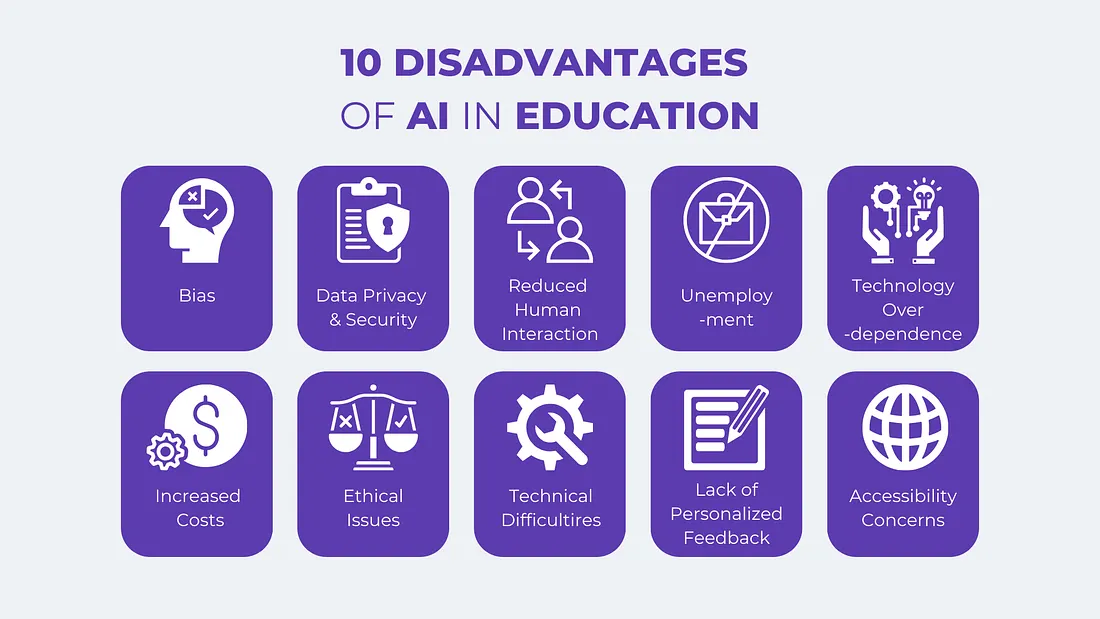
10 Potential Negative Effects of AI in Education | by Eastgate ...
Future Trends: AI, VR, and Beyond
Looking ahead, emerging tech like AI, virtual reality (VR), and augmented reality (AR) promise even greater transformations. AI tutors could provide 24/7 support, while VR immerses students in historical events or scientific simulations.
Machine learning will refine assessments, predicting student needs before they arise. However, ethical considerations, like AI bias, must be addressed to ensure fair outcomes.
Excited about what's next? Dive into our exploration of VR in education.

The Impact of Artificial Intelligence on Education
Wrapping It Up: Embracing Tech for a Brighter Educational Future
Technology in education isn't just changing how we learn; it's redefining what's possible. From boosting accessibility to personalizing experiences, its role is pivotal in creating dynamic, inclusive systems. While challenges exist, the benefits far outweigh them when implemented thoughtfully.
As we move forward, the key is balance: leveraging tech to enhance, not replace, human elements. What do you think? How has tech impacted your learning journey? Share in the comments below.
For more advanced discussions, check out emerging edtech innovations. Tech Startups to Watch in 2026